

The 24/7 nature of crypto markets creates both opportunity and challenge. While traditional traders sleep, Best AI crypto trading bots continue executing strategies, identifying patterns, and making decisions without emotional bias. But simply deploying a bot isn’t enough – the difference between mediocre and exceptional results lies in how you configure, optimize, and monitor these powerful tools.
In this guide, we’ll explore advanced strategies to maximize your automated trading performance, from fine-tuning bot parameters to implementing sophisticated risk management techniques that protect your capital in volatile markets.
Optimizing Your Bot: Customizing Settings for Better Performance

Customizing bot parameters is essential for optimizing performance in different market conditions
The default settings of most Best AI crypto trading bots are designed to work adequately across various market conditions. However, true optimization comes from tailoring these parameters to your specific trading goals, risk tolerance, and the current market environment.
Fine-Tuning Technical Indicators
Most bots rely on technical indicators to trigger trading decisions. Adjusting these indicators to match current market conditions can significantly improve performance:
Moving Averages
In trending markets, longer moving averages (50, 100, 200) provide reliable signals. During sideways markets, shorter periods (5, 10, 20) can capture quick movements more effectively.
RSI Settings
The standard 70/30 overbought/oversold thresholds work well in ranging markets, but consider adjusting to 80/20 in strong trends to avoid premature exits.
MACD Configuration
Experiment with faster settings (5,12,4) for volatile markets and slower settings (12,26,9) for more stable conditions to reduce false signals.
Bollinger Bands
Widening the standard deviation (from 2 to 2.5 or 3) during high volatility helps prevent premature entries and exits when price action is erratic.
Position Sizing and Entry Strategies
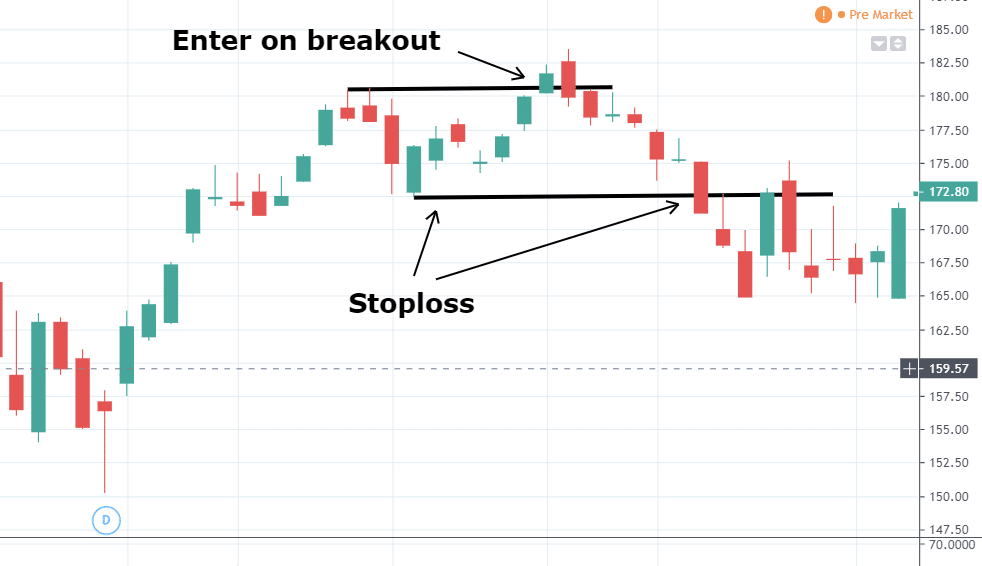
How your bot allocates capital per trade significantly impacts overall performance:
- Fixed Amount Strategy: Allocates the same amount to each trade, providing consistency but potentially missing opportunities when conviction is high.
- Percentage-Based Allocation: Scales position size relative to your total portfolio, automatically adjusting as your capital grows or shrinks.
- Kelly Criterion: Advanced bots can implement this mathematical formula to optimize position sizes based on historical win rates and risk/reward ratios.
- Pyramiding: Configure your bot to add to winning positions at predetermined price levels, maximizing gains on successful trades.
Ready to optimize your trading parameters?
Start with a paper trading account to test your customized settings without risking real capital.
Try Paper TradingAdvanced Strategies: Using AI Bots for Arbitrage, Grid Trading, and More
Beyond basic buy and sell orders, AI crypto trading bots can execute sophisticated strategies that would be impossible to manage manually. Here are some advanced approaches that leverage the full potential of automation:
Arbitrage Trading
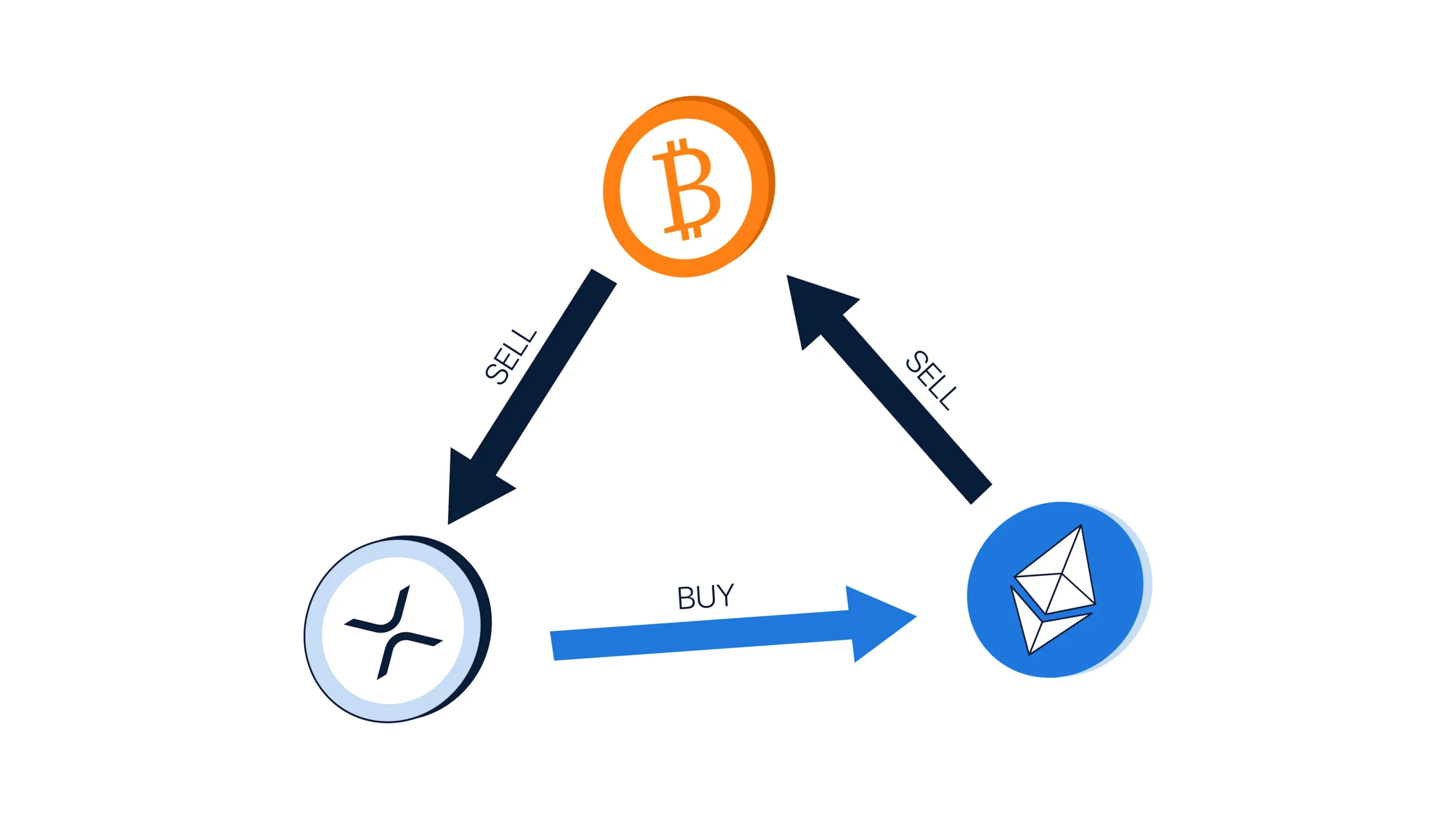
Arbitrage exploits price differences of the same asset across different exchanges. AI bots excel at this strategy because they can:
- Monitor dozens of exchanges simultaneously in real-time
- Execute trades within milliseconds when opportunities arise
- Calculate fees, transfer times, and net profitability instantly
- Manage complex order books and liquidity considerations
To optimize arbitrage bots, focus on exchanges with high liquidity but significant price discrepancies. Consider triangular arbitrage (trading between three different cryptocurrencies) for additional opportunities.
Grid Trading Strategy
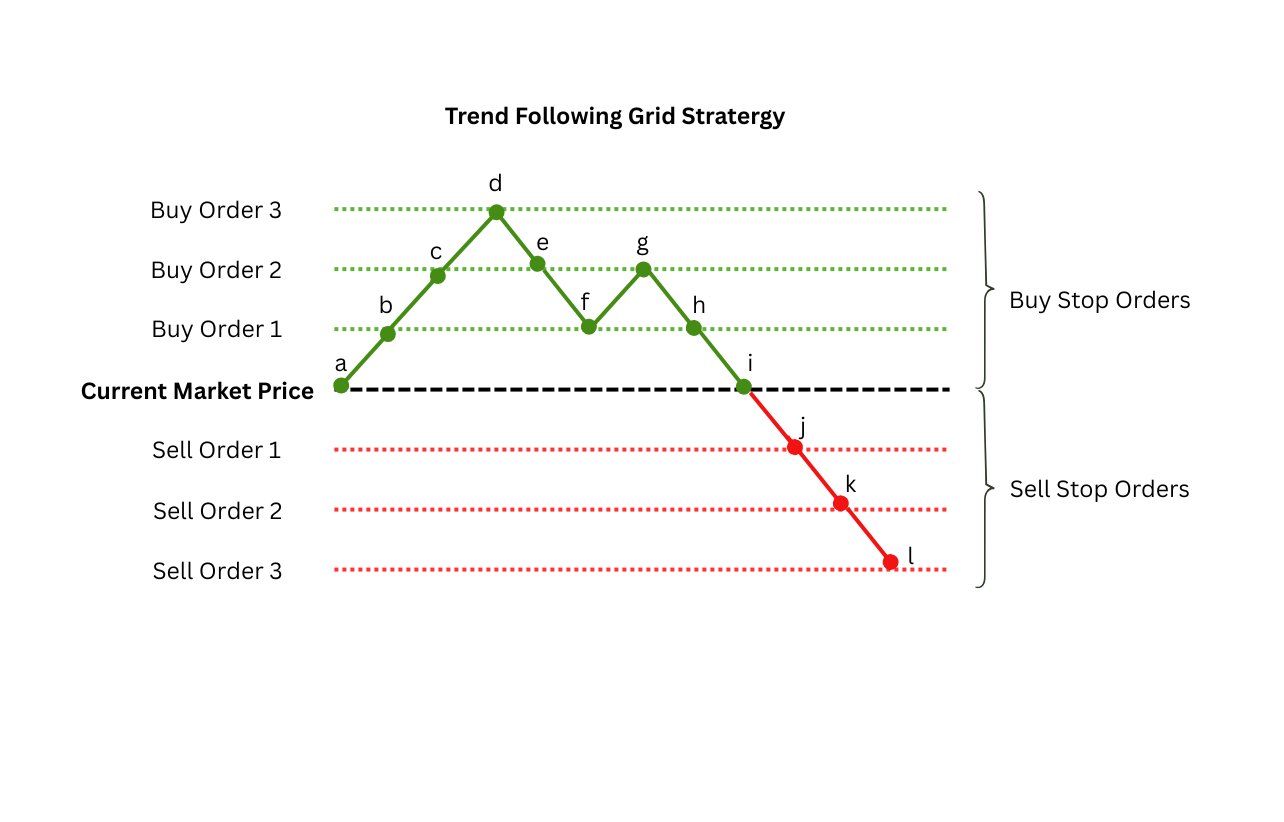
Grid trading thrives in volatile but range-bound markets by placing buy orders at regular intervals below the current price and sell orders above it. As price oscillates, the bot automatically buys low and sells high.
Arithmetic Grids
Places orders at fixed price intervals (e.g., every $500 for Bitcoin). Works well in stable, predictable ranges.
Geometric Grids
Places orders at percentage intervals (e.g., every 2%), creating wider spacing at higher prices. Better suited for volatile assets and longer timeframes.
For optimal grid trading, analyze historical support and resistance levels to set your grid boundaries. Adjust grid density based on volatility – tighter grids for less volatile periods and wider spacing during high volatility.
Market Making
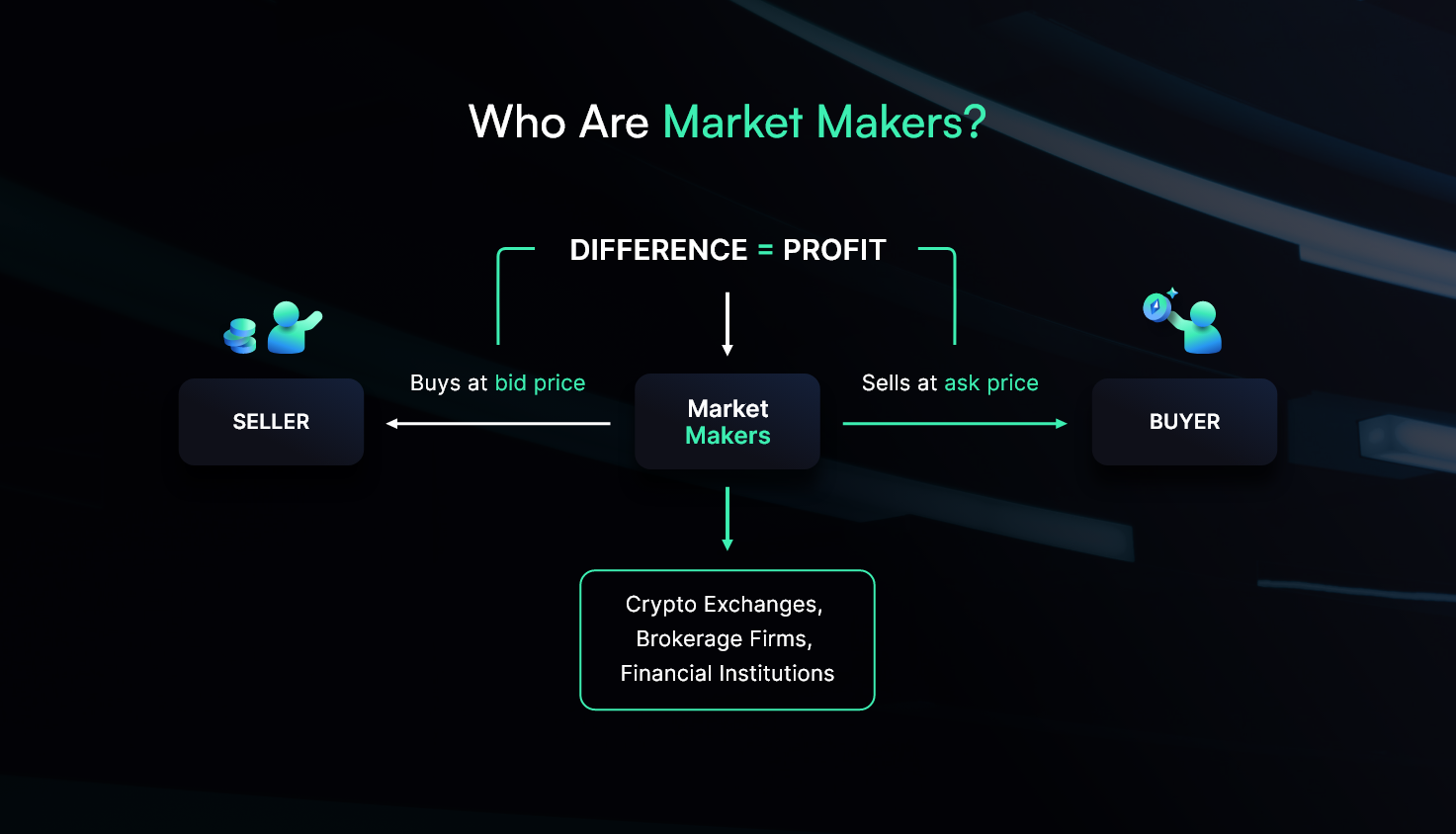
Market making involves placing limit orders on both sides of the order book to profit from the bid-ask spread. AI bots can:
- Continuously adjust orders as market conditions change
- Implement inventory management to maintain balanced positions
- Calculate optimal spread based on volatility and competition
- Detect and avoid adverse selection during news events
This strategy works best on exchanges with lower liquidity and wider spreads. Configure your bot to adjust spreads dynamically based on volatility – wider during high volatility and tighter during calm periods.
Ready to implement advanced trading strategies?
Leading platforms offer pre-configured templates for these strategies with customizable parameters.
Explore Strategy TemplatesRisk Management and Avoiding Common Mistakes

Even the most sophisticated AI trading bot can’t guarantee profits. Effective risk management is what separates successful traders from those who blow up their accounts.
Essential Risk Controls
Recommended Risk Controls
- Set maximum position sizes (1-2% of portfolio per trade)
- Implement per-trade stop losses (typically 2-5%)
- Configure maximum daily loss limits (5-10% of portfolio)
- Use trailing stops to protect profits
- Diversify across multiple strategies and assets
Common Mistakes to Avoid
- Overriding bot decisions based on emotions
- Increasing position size after losses to “recover”
- Disabling stop-losses during drawdowns
- Running too many bots without proper monitoring
- Using excessive leverage with automated strategies
Volatility-Based Adjustments
Market volatility should directly influence your bot’s behavior. Configure your AI trading bot to:
During High Volatility
- Reduce position sizes automatically
- Widen stop-loss percentages
- Decrease trading frequency
- Implement stricter confirmation requirements
During Low Volatility
- Increase position sizes gradually
- Tighten profit targets
- Enable more aggressive entry strategies
- Consider higher frequency trading approaches
Correlation Risk
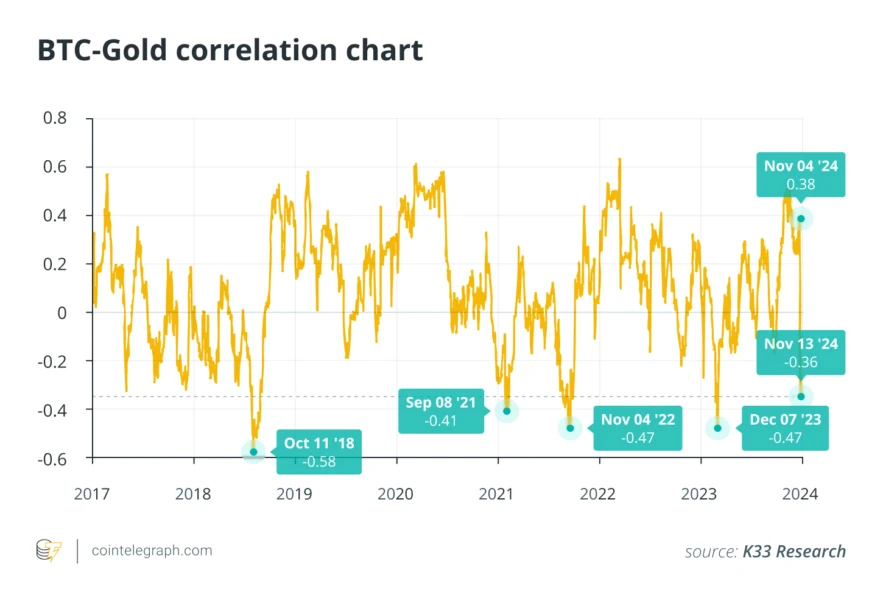
Running multiple bots doesn’t guarantee diversification if they all trade correlated assets. Implement these safeguards:
- Monitor cross-asset correlation and adjust exposure accordingly
- Set maximum portfolio allocation per asset class
- Configure correlation-based position sizing (smaller positions for highly correlated assets)
- Implement portfolio-level stop losses that consider total exposure
“The goal isn’t to avoid all losses – it’s to ensure no single loss can significantly damage your portfolio. Proper risk management makes the difference between temporary setbacks and account devastation.”
Backtesting: How to Test Your Strategy Before Going Live
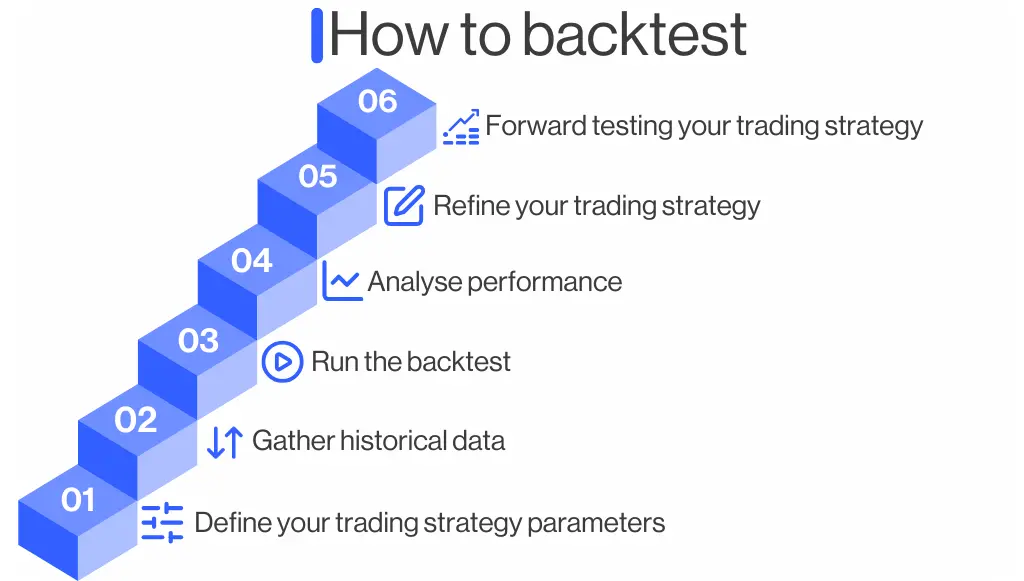
Backtesting allows you to evaluate how your strategy would have performed using historical data. While past performance doesn’t guarantee future results, it provides valuable insights into strategy behavior under different market conditions.
Effective Backtesting Practices
- Use sufficient historical data: Test across multiple market cycles (bull, bear, and sideways) for at least 6-12 months.
- Account for trading fees: Include realistic exchange fees, slippage, and spread in your calculations.
- Avoid overfitting: If your strategy only works with very specific parameters on historical data, it may fail in live markets.
- Test robustness: Slightly vary your parameters to ensure the strategy isn’t fragile.
- Compare to benchmarks: Evaluate performance against simply holding the asset or basic strategies.
Key Performance Metrics
| Metric | Description | Target Range |
| Profit Factor | Gross profit divided by gross loss | Above 1.5 |
| Maximum Drawdown | Largest peak-to-trough decline | Below 20% |
| Sharpe Ratio | Return relative to risk | Above 1.0 |
| Win Rate | Percentage of profitable trades | Above 50% |
| Average Profit/Loss Ratio | Average win divided by average loss | Above 1.5 |
| Recovery Factor | Net profit divided by maximum drawdown | Above 2.0 |
Forward Testing
Before committing real capital, implement a forward testing phase:
- Run your strategy in a paper trading environment for at least 2-4 weeks
- Compare live results with backtested expectations
- Identify and fix any discrepancies or technical issues
- Start with minimal capital once performance is verified
- Scale position sizes gradually as the strategy proves itself
Ready to backtest your trading strategies?
Most advanced trading platforms offer comprehensive backtesting tools to validate your approach before risking real capital.
Start Backtesting NowMonitoring Bot Performance and Adjusting for Market Changes
Deploying a bot isn’t a “set and forget” process. Regular monitoring and adjustment are essential for maintaining performance as market conditions evolve.
Key Performance Indicators to Track
Profitability Metrics
- Absolute and percentage returns
- Win/loss ratio and average trade profitability
- Performance relative to benchmark
- Profit factor (gross profit ÷ gross loss)
Risk Metrics
- Maximum drawdown and drawdown duration
- Volatility of returns (standard deviation)
- Sharpe and Sortino ratios
- Value at Risk (VaR)
Recognizing When to Adjust Your Strategy
Markets evolve through different regimes, requiring strategy adjustments. Watch for these signals:
| Warning Sign | Potential Adjustment |
| Increasing number of consecutive losses | Reduce position size or temporarily pause trading |
| Performance declining despite unchanged settings | Re-optimize parameters or switch to a different strategy |
| Significant increase in market volatility | Widen stop-losses and take-profit levels |
| Correlation changes between assets | Adjust portfolio allocation and hedging strategies |
| Fundamental market structure changes | Revisit core strategy assumptions and backtesting |
Implementing A/B Testing
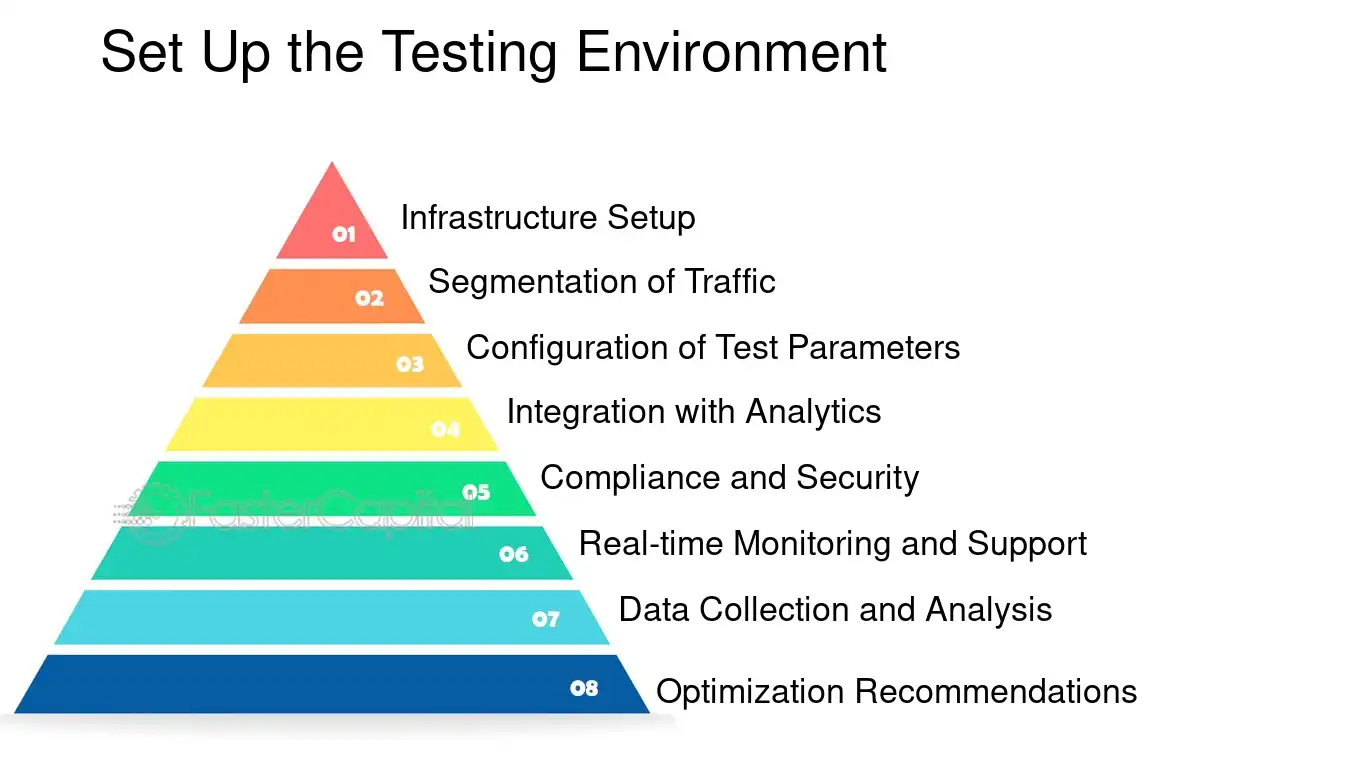
Rather than making abrupt changes to your entire strategy, use A/B testing to validate improvements:
- Run your existing strategy alongside a modified version
- Allocate a small percentage of capital to the new approach
- Compare performance metrics over 2-4 weeks
- Gradually shift capital to the better-performing strategy
- Continue iterating with new variations
Pro Tip: Most successful traders maintain a trading journal documenting all strategy changes, market observations, and performance notes. This creates a valuable reference for identifying what works in different market conditions.
Conclusion: Building Your AI Trading Advantage
Best AI crypto trading bots offer powerful advantages in the 24/7 cryptocurrency markets, but their effectiveness ultimately depends on how you configure, monitor, and adapt them. By implementing the strategies outlined in this guide – from customized parameter optimization to rigorous backtesting and risk management – you can significantly improve your automated trading results.
Remember that no strategy works in all market conditions. The most successful traders regularly review performance, make data-driven adjustments, and maintain strict risk controls. Start with small allocations, validate your approach through proper testing, and scale gradually as you gain confidence in your system.
Ready to elevate your crypto trading with AI?
Start with a reputable platform that offers comprehensive backtesting, strategy customization, and robust risk management tools.
Get Started with AI Trading